Paws, Cuteness, Chaos: Drafting Telly’s Finest Four-Legged Scene-Stealers
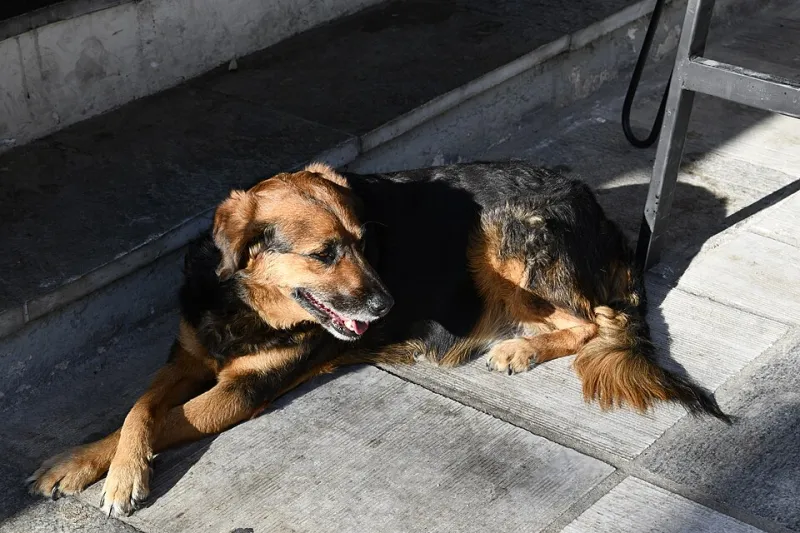
Photo: Trajan 117 CE, CC0, via Wikimedia Commons
No British show is ever made worse by a dog. That is not an opinion. It is a law of telly physics. A dog enters a flat scene and the scene suddenly has a pulse. A dog sits on a sofa in a reality show and the edit finds a story. A dog looks at a presenter and the presenter forgets their lines. British telly has an unusually strong canine supporting cast, so we have done the only sensible thing: drafted them.
This is not a scientific ranking. It is a draft. There are rules. A telly dog must be memorable. It must change the room. It must not be a cheap plot device. And it must never, ever be CGI unless it is Gromit, who has earned the exemption.
The rules of the draft
We are picking for three roles. The Good Boy is the emotional anchor. The Scene-Stealer is the one who walks off with the shot. The Absolute Menace is the one who causes chaos and gets away with it because of the ears. A great telly dog can do all three in one episode. A bad telly dog is just a prop with a lead.
First round: the untouchables
-
Gromit. This is not a debate. Gromit is the best dog on British telly because he is the straight man, the engineer, the worried parent and the physical comedian all at once. He does not need a line. He has eyebrows. He has a whole inner life. Wallace would be in a ditch by Tuesday without him.
-
Wellard from EastEnders. The original soap scene-stealer. Wellard had better timing than most of the Square and a more consistent moral compass. He was a good boy in a show full of people making bad choices.
-
Schmeichel from Coronation Street. A dog with a proper story arc. He was not just there to be stroked. He was there to cause trouble, soften a scene and remind everyone that the Rovers Return is not a place for sensible decisions.
-
The Dog House dogs. This is a cheat pick because it is a whole bench of good boys, but that is the point. The show knows exactly when to bring in the dog. The dogs do not need to act. They just need to be themselves, which is more than can be said for some presenters.
-
The Gogglebox dogs. The Malones' dogs have done more for British telly than many panel shows. They do not care about the clips. They do not care about the sofa. They are the only cast members who understand that the best reaction is sometimes to fall asleep.
Second round: the scene-stealers
-
K-9 from Doctor Who. A robot dog is still a dog if the energy is right. K-9 is a menace to stairs, a scene-stealer by design and the only companion who can do a dry one-liner without moving its face.
-
The Crufts Best in Show. A live event dog is a different kind of star. It has to walk into a room, ignore the noise and look like it has been preparing for this its whole life. The commentary is always one bad joke away from chaos, and the dog never blinks.
-
The Yorkshire Vet patients. These are not trained performers. That is why they work. A nervous sheepdog, a grumpy terrier and a cat that has clearly had enough of everyone are all better than most scripted comedy.
-
Paul O'Grady's dogs. For the Love of Dogs was built on the idea that the dog is the star and the human is the support act. It worked because Paul O'Grady knew when to step back and let the dog have the moment.
-
The Crown's corgis. Absolute menaces at ankle height. They do not have scenes so much as they have appearances. Every appearance says the same thing: the monarchy is held together by small dogs and good tailoring.
Third round: the absolute menaces
-
The soap dog who knocks over a tray at exactly the wrong moment. Every soap has one. Coronation Street, EastEnders and Emmerdale have all used the dog as a chaos engine. The dog does not know it is in a drama. The dog just knows there is a plate of sandwiches within reach.
-
The reality-show dog who quietly runs the house. You know the type. It sits on the best chair, ignores the argument and gets more screen time than the person who was brought in to cause one. That is not a pet. That is a producer with fur.
The shows that know when to bring in the dog
The Dog House is the obvious winner because the dog is the format. Gogglebox is the sneaky winner because the dogs are not the point, which makes them funnier. The Yorkshire Vet and Crufts understand that a dog does not need a storyline. It just needs a camera and a bit of room. And Wallace and Gromit understand the highest rule of all: if you have a good dog, you do not need to explain the joke.
The final pick
If we are drafting one dog for the whole of British telly, it is Gromit. He is the good boy, the scene-stealer and the absolute menace in one clay package. But the real winner is the show that knows a dog is not a prop. A dog is a scene partner. Bring it in at the right moment and the whole room changes. That is the draft. Now someone let the dog out before it eats the remote.